
































About How To Play Crazy Time
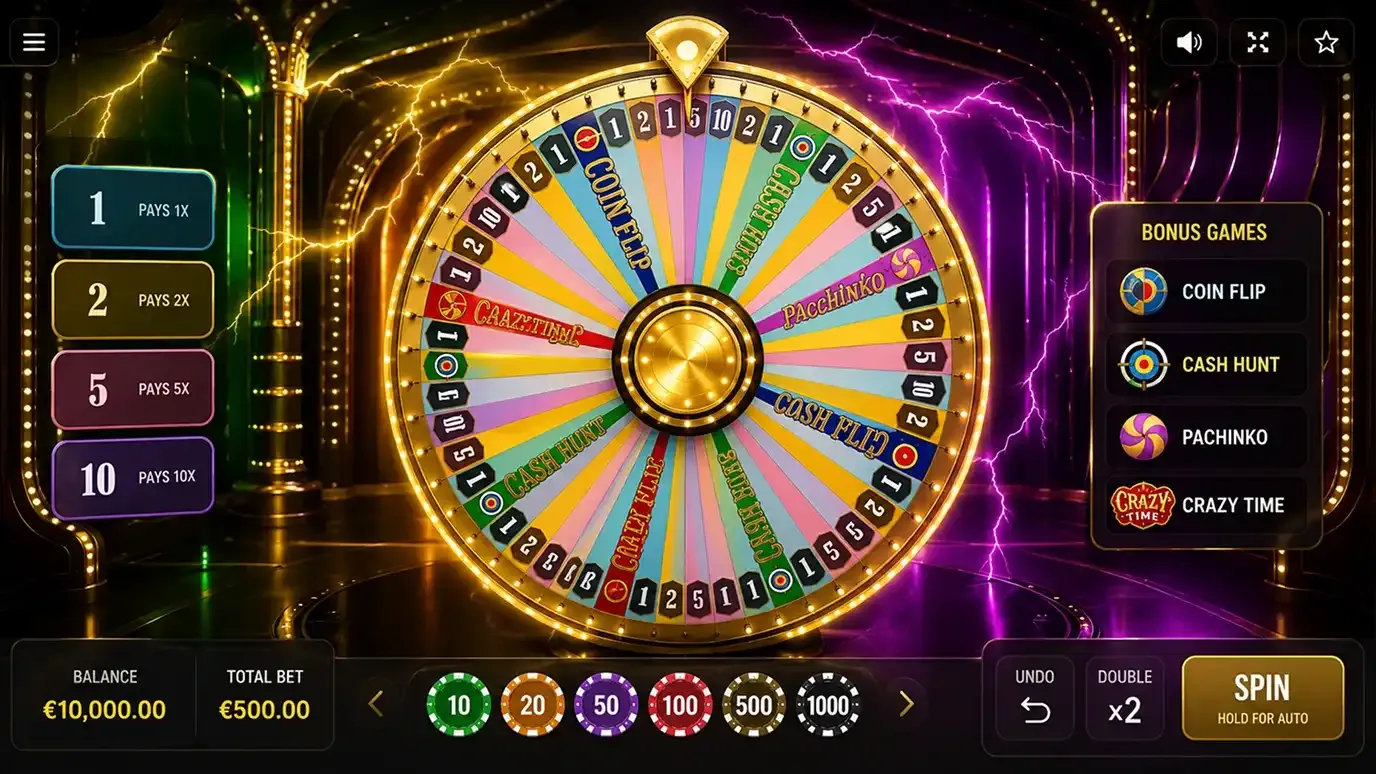
Crazy Time is a live casino game show that combines elements of traditional game shows with online gambling entertainment. Developed by Evolution Gaming, this interactive experience features a large spinning wheel divided into segments, each representing different outcomes and bonus rounds. The game is hosted by live presenters who interact with players in real-time, creating an engaging atmosphere that sets it apart from standard casino offerings.
The main wheel contains 54 segments with various multipliers and bonus features. Players place wagers on which segment they believe the wheel will stop on, with options including numbers 1, 2, 5, and 10, as well as four distinct bonus rounds: Coin Flip, Pachinko, Cash Hunt, and the titular Crazy Time feature. Understanding how to play Crazy Time begins with familiarising yourself with these fundamental components and their respective paytables.
Crazy Time Game Rules
The crazy time rules are straightforward, making the game accessible to newcomers whilst providing depth for experienced players. Each betting round begins with a designated time period during which participants can place their stakes on any of the available segments. The minimum and maximum bet limits vary depending on the casino platform, but the game typically accommodates both conservative and aggressive betting styles.
Once betting closes, the presenter spins the wheel. The segment where the wheel stops determines the outcome. If the wheel lands on a number (1, 2, 5, or 10), players who wagered on that number receive a payout according to the corresponding multiplier. Before each spin, a Top Slot feature randomly selects one betting option and assigns it an enhanced multiplier, which can significantly increase potential winnings.
| Segment Type | Frequency on Wheel | Base Payout |
|---|---|---|
| 1 | 21 segments | 1:1 |
| 2 | 13 segments | 2:1 |
| 5 | 7 segments | 5:1 |
| 10 | 4 segments | 10:1 |
| Coin Flip | 4 segments | Variable |
| Pachinko | 2 segments | Variable |
| Cash Hunt | 2 segments | Variable |
| Crazy Time | 1 segment | Variable |
When the wheel lands on a bonus feature, all players who placed bets on that particular bonus advance to a secondary game. Each bonus round operates differently, with its own set of mechanics and potential payouts. The symbols and paytable for each bonus feature are displayed during the game, allowing participants to track possible outcomes.
Crazy Time Strategy
Developing a crazy time strategy requires balancing risk tolerance with payout potential. The game’s structure means that lower-risk bets on numbers 1 and 2 offer more frequent wins but smaller returns, whilst higher-risk bets on bonus features provide less frequent but potentially substantial payouts. Many players approach the game by diversifying their wagers across multiple segments to maintain consistent action whilst preserving opportunities for larger wins.
The best crazy time betting strategy often involves monitoring the Top Slot multipliers. When the Top Slot applies a significant multiplier to a particular segment, the expected value of that bet increases temporarily. Some players adjust their stake distribution to capitalise on these enhanced multipliers, though it’s important to remember that each spin remains an independent event.
Number-Based Approaches
One common crazy time game strategy focuses primarily on the numbered segments. Given that these segments appear more frequently on the wheel, betting on numbers 1 and 2 provides the most consistent hit rate. This approach suits players who prefer steady, incremental wins over the volatility of bonus rounds. The paytable for numbered bets is fixed, making it easier to calculate potential returns and manage your bankroll accordingly.
Alternatively, concentrating on higher-value numbers like 5 and 10 increases the payout per win but reduces the frequency of successful outcomes. This middle-ground strategy offers a balance between the conservative number 1 and 2 bets and the high-variance bonus feature wagers.
Bonus Feature Focus
Another best crazy time strategy involves targeting the bonus features, which represent the game’s highest payout potential. Each bonus round has unique mechanics:
Coin Flip presents a simple choice between two multipliers, with the host flipping a coin to determine which side wins. Pachinko drops a puck down a pegged board where it lands in one of several multiplier slots at the bottom. Cash Hunt displays a grid of symbols concealing different multipliers, allowing players to select their preferred target before all values are revealed. The Crazy Time bonus feature transports participants to a virtual world with a large wheel containing multipliers and doubling opportunities.
Players employing this crazy time betting strategy typically spread smaller bets across multiple or all bonus features, accepting longer dry spells between wins in exchange for the possibility of substantial multipliers. The bonus feature paytable can deliver returns exceeding 1000x the original stake when multipliers accumulate favourably.
Combination Strategies
Many experienced players combine elements from both approaches. A typical hybrid strategy might involve placing larger bets on high-frequency segments like 1 or 2 to maintain bankroll stability, whilst allocating smaller amounts to bonus features for upside potential. This method attempts to cover a wider range of outcomes, though it also spreads the bankroll more thinly across the betting options.
When implementing how to play crazy time with a combination strategy, consider the proportion of your total stake allocated to each segment type. A conservative split might allocate 70% to numbers and 30% to bonuses, whilst a more aggressive approach could reverse these percentages or weight them equally.
Understanding The Betting Interface
The game interface displays all available betting options clearly, with each segment represented by a dedicated betting area. Players can place multiple bets simultaneously by selecting different segments and adjusting stake amounts. The interface also shows the current multipliers from the Top Slot, recent spin history, and real-time statistics about segment frequency.
Familiarising yourself with how to play crazy time includes understanding the betting timeline. Most rounds provide between 12 to 15 seconds for placing and adjusting wagers. The countdown timer is prominently displayed, giving players ample opportunity to finalise their betting decisions before the presenter initiates the spin.
Multiplier Mechanics
The Top Slot feature activates before every spin, randomly selecting one betting option and applying a multiplier ranging from 2x to 50x, with even higher values possible during bonus rounds. When the wheel lands on a segment with an active Top Slot multiplier, winning players receive their payout multiplied by the enhanced value. This mechanic adds an element of variability to the game’s payout structure and creates moments of increased excitement.
During bonus rounds, multipliers can compound through various mechanics specific to each feature. In Crazy Time, for instance, doubling symbols can cause all multipliers on the bonus wheel to increase exponentially, leading to the game’s largest potential payouts. Understanding these multiplier interactions forms an essential part of any comprehensive crazy time game strategy.
Game Statistics And Patterns
The interface provides access to game statistics showing the frequency of each outcome over recent spins. Whilst each spin is an independent event and past results don’t influence future outcomes, some players incorporate this information into their decision-making process. The statistics display typically shows how many spins have occurred since each bonus feature last appeared, along with the distribution of numbered segment results.
These statistics serve an informational purpose rather than a predictive one. The game uses certified random number generation to ensure fair outcomes, meaning that patterns observed in historical data don’t guarantee future results. However, reviewing statistics can help players understand the game’s natural variance and set realistic expectations about outcome frequency.